
சாய் சற்குரு பல் மருத்துவமனை
SAI SARGURU DENTAL CLINIC
சாய் சற்குரு பல் மருத்துவமனை
SAI SARGURU DENTAL CLINIC
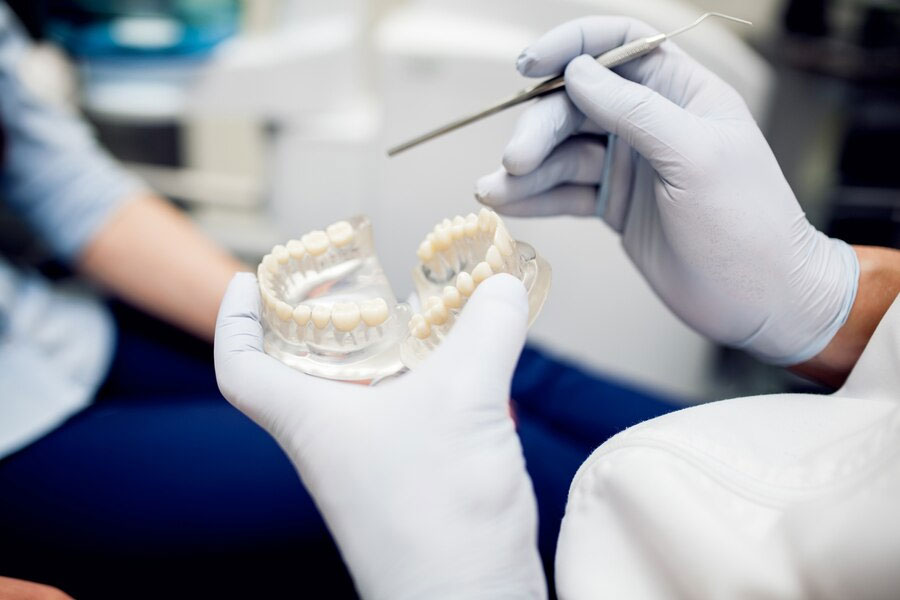
The ideal time to consider dental implant treatment is when you have one or more missing teeth and seek a durable, long-term solution. Key indicators for considering implants include: missing teeth that impact your ability to chew, speak, or smile comfortably; loss of bone density in the jaw due to missing teeth, which implants can help prevent; a desire for a more permanent and natural-looking replacement compared to dentures or bridges; and good overall oral health with sufficient jawbone to support the implants. Consulting with a dentist or oral surgeon can help determine your suitability for dental implants and discuss the benefits and procedures involved.
Key signs that you might benefit from dental implant treatment include:
Missing Teeth: One or more gaps that impact your bite, speech, or overall appearance.
Problems with Dentures: Discomfort or poor fit with traditional dentures or bridges.
Bone Loss: Significant loss of jawbone density that implants could help support.
Desire for a Long-Term Solution: A wish for a durable option that closely resembles the function and look of natural teeth.
Good Oral Health: Healthy gums and sufficient bone structure, indicating you may be a suitable candidate for the procedure.
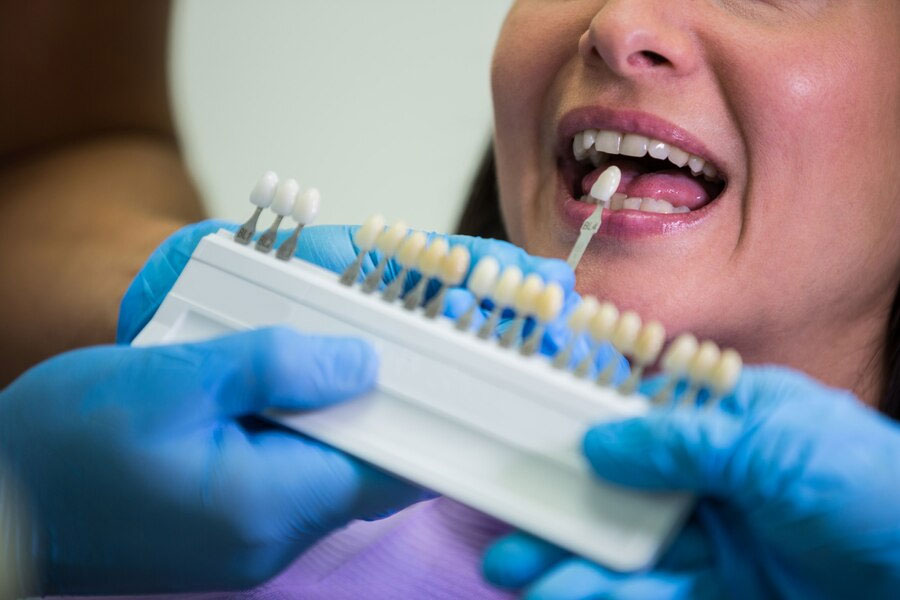
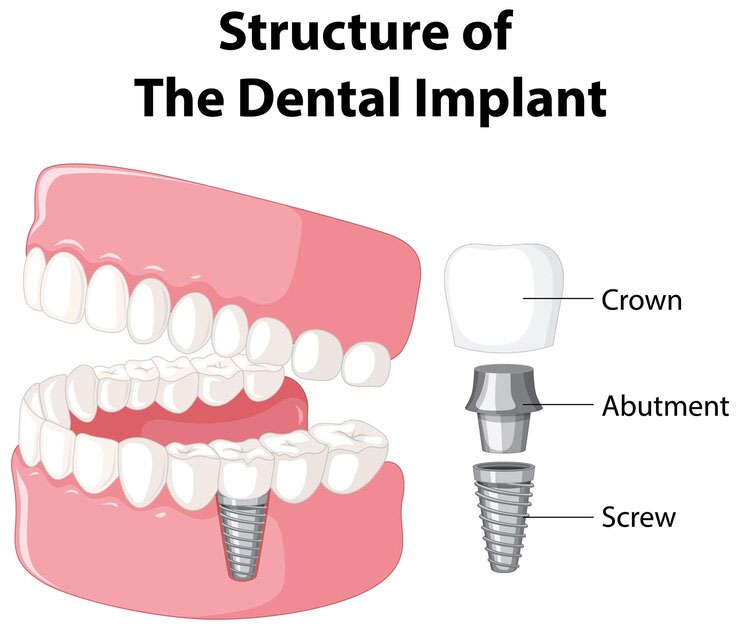
The dental implant treatment process is comprehensive and consists of several crucial phases to ensure effective and lasting results:
Surgery Procedure: A small incision is made in the gum to expose the bone, and a hole is drilled to insert the titanium implant post, which acts as the tooth root.
Anesthesia: To ensure your comfort during the procedure, sedation, general anesthesia, or local anesthesia may be used.
Oral Hygiene: It’s essential to maintain good oral hygiene by brushing, flossing, and possibly using specialized tools to clean around the implant to prevent peri-implantitis.
Follow-Up Appointments: Regular evaluations are scheduled to ensure the restoration is functioning properly and that the implant is integrating as it should.
Long-Term Monitoring: Ongoing monitoring is vital for the long-term success of dental implants. Regular dental checkups, X-rays, and cleanings help maintain the health of the implant and surrounding tissues.