
சாய் சற்குரு பல் மருத்துவமனை
SAI SARGURU DENTAL CLINIC
சாய் சற்குரு பல் மருத்துவமனை
SAI SARGURU DENTAL CLINIC
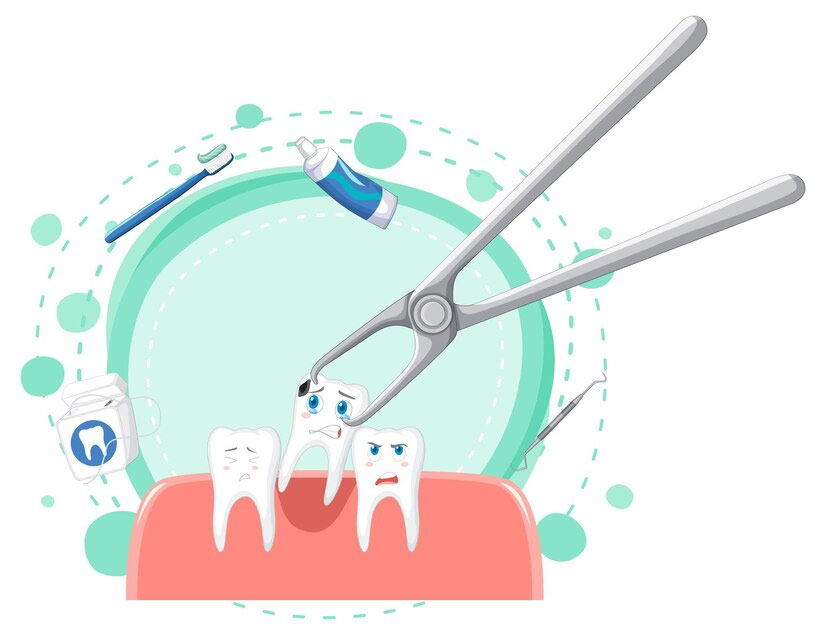
The ideal time to consider wisdom tooth extraction is when these teeth cause issues such as pain, infection, swelling, or damage to adjacent teeth. If the wisdom teeth are impacted (trapped beneath the gums), growing at an angle, or contributing to overcrowding, removal is often recommended. Dentists may also suggest extraction as a preventive measure, particularly if X-rays indicate a likelihood of future complications.
Key signs that you may need wisdom tooth extraction include:
Persistent Pain: Ongoing discomfort at the back of your mouth.
Swelling and Infection: Redness, swelling, or infection around the gums near your wisdom teeth.
Impacted Teeth: Wisdom teeth that are trapped beneath the gums or growing at an angle.
Crowding: Nearby teeth shifting or crowding due to a lack of space.
Difficulty Chewing:: Trouble opening your mouth or chewing comfortably.
Bad Breath: Frequent bad breath or an unpleasant taste in your mouth due to infection.
If you notice any of these symptoms, a dentist may recommend wisdom tooth extraction.
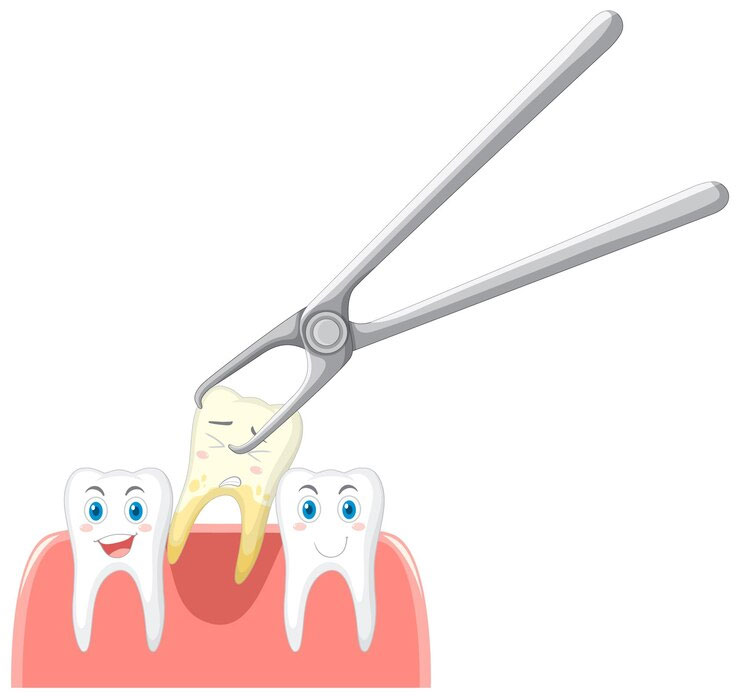
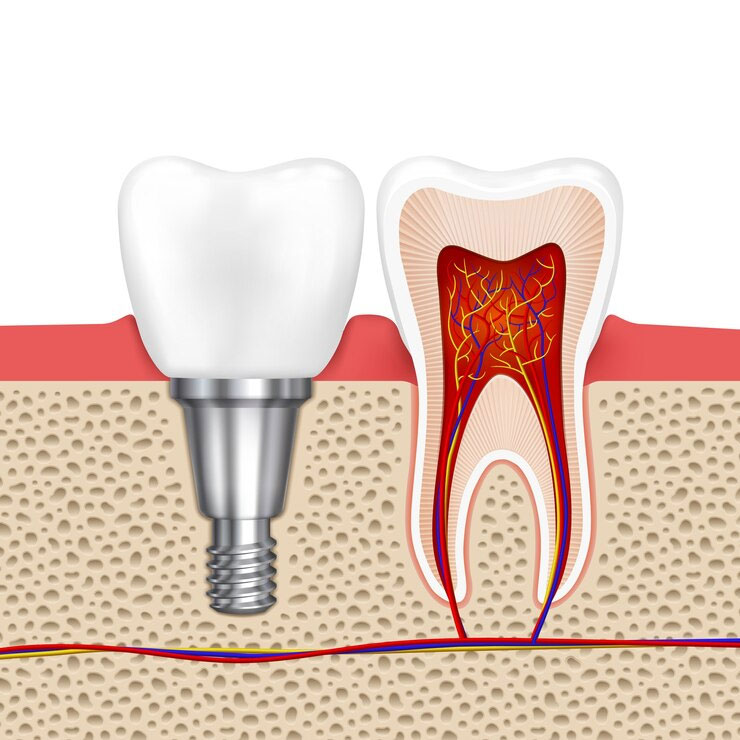
Pain and Discomfort: Impacted wisdom teeth, which are trapped beneath the gum line or only partially erupted, can lead to significant pain, swelling, and discomfort.
Difficult to Clean: Located at the back of the mouth, wisdom teeth are hard to reach and clean properly, increasing the risk of cavities and gum disease.
Alleviating Pressure: Wisdom teeth can exert pressure on surrounding teeth, causing pain, headaches, or jaw stiffness. Extraction relieves this pressure, offering immediate relief.
Avoiding Complications: Wisdom teeth can complicate other dental procedures, such as dental implants, bridges, or dentures. Removing them can streamline these treatments and lead to better outcomes.